Cranes, Concessions, and a City at a Crossroads: Observations from the 2026 CREJ Denver Commercial Real Estate Outlook & Expo
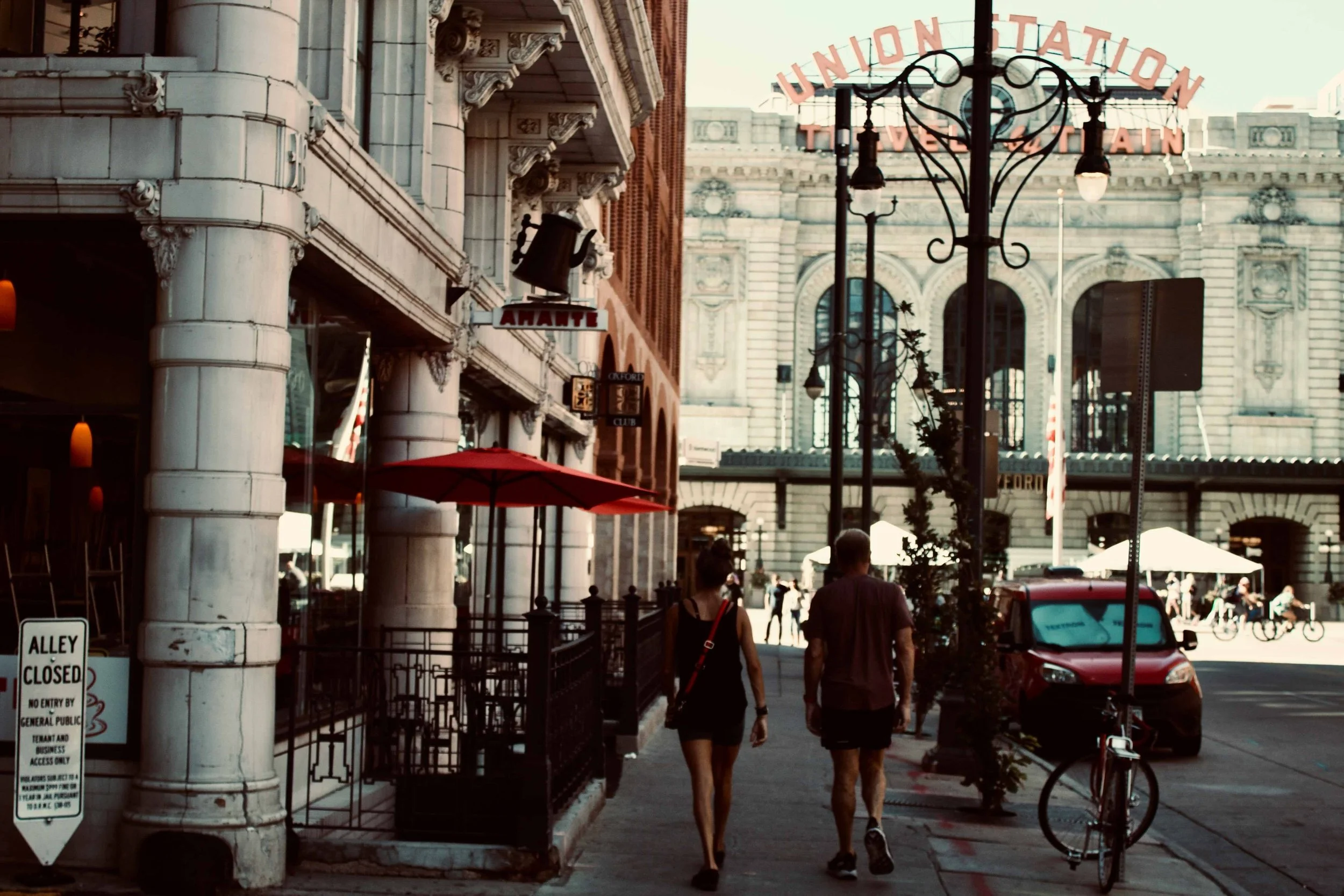
Denver’s commercial real estate market is entering a period defined less by collapse than by recalibration and a reset in pricing, development pacing, and investor expectations across several key submarkets.
That dynamic was on display this morning at the Colorado Real Estate Journal’s Commercial Real Estate Expo, where panels covered conditions across Downtown, RiNo, Cherry Creek, and the airport corridor. Their commentary, combined with my own recent market observations, offers useful context as we close out the first quarter.
Downtown Denver
This panel would have you believe the safety, homelessness, and crime concerns of two or three years ago are behind us. Honestly? I can see it and I can't. It's still a mixed bag down there. What I do know is that foot traffic is unmistakably up from the COVID era and it seems to be more than just a feeling, as the Downtown Denver Development Authority's counting software has pedestrian activity at 99% of 2019 levels.
The biggest barrier to downtown tenancy right now, panelists argue, is perception.
Downtown is in a basis reset. New supply is abundant, which is pushing prices down, but it isn't generating new demand yet. That reset also demands a diversification of uses. One panelist offered a line I've heard before: "The great fortunes in real estate frequently come from someone else's misfortune." The city's office inventory may have taken a supposed billion-dollar hit, but opportunity is everywhere. The city isn't going anywhere. Neither are the buildings.
What’s harder to ignore is how often I hear seasoned Denver real estate professionals describe doing business here as frustrating or unworkable. That mindset becomes self-reinforcing. If the message is that the city is broken, it’s difficult to expect investment to follow. Denver’s brand deserves stronger advocacy from the people who benefit most from its success.
RiNo
RiNo is the city's rowdy teenage stepchild, and it showed up that way on the panel. Two things led the discussion: First, RiNo is one of the only areas in Denver where you'll still see cranes (Cherry Creek being the other — more on that shortly). Second, the broader Denver development market is down 70%.
RiNo is sitting on an obscene amount of multifamily inventory. Landlord concessions can run as high as three months free rent, which means older buildings are bleeding tenants to newer projects at essentially the same net cost. And the pipeline? Current STPs in developers' hands call for even more ultra-high-end product, a segment the market isn't fluidly absorbing right now. Add the fact that it's insanely expensive to build, and the math gets uncomfortable fast.
Denver International Airport
The airport panel is always one of my favorites, and this year was no exception. If you haven't done it, open Google Earth, zoom in on the area surrounding DIA, then roll the clock back 15 years. What you'll see is a masterclass in long-range urban planning playing out in real time.
And it's not slowing down. United Airlines represents roughly 50% of DIA's air traffic; Southwest handles about 30%. New gates are being planned and built continuously. (If they could just get that sign working right, we'd really be cooking.)
None of this is accidental. The original vision was straightforward: build the airport far enough out to have room to grow, and let the surrounding area fill in organically. The Gaylord is the perfect example. Remember when that thing looked completely random out there? The area around it is filling in, and it's starting to make sense in the landscape. Workforce housing is strong and growing. Retail and schools are following. Manufacturing along the E-470 corridor has attracted more than 100,000 new jobs.
One audience member asked whether DIA is planning for space tourism. Bless her. The answer, for now, is no — they're staying in their lane. However, the panelist did mention interest in vertical takeoff and landing aircraft for future opportunities. First I'd heard of it. I sense a late-night rabbit hole in my near future.
Cherry Creek
Things are great. Everyone's making money. Sucks to be anywhere else. Property taxes are high. The end.
(That’s only half a joke.) Cherry Creek remains one of the few Denver submarkets where capital, demand, and development activity continue to align without much friction.

The Big Picture
Across all panels, the mood was cautiously optimistic, but nearly every group took at least one shot at city and state officials for their failure to attract jobs and restore Denver's appeal to businesses and residents. The core complaint: too many regulations, too much red tape, and a permitting and utility infrastructure that simply can't keep pace with growth. How do you scale a city when you can't get power to your project?
The key takeaway: labor and capital are mobile. Both go where they're welcomed — lower taxes, less friction.
Case in point: landlords are actively propping up restaurant tenants just to make the numbers work in Denver. The cost of running a restaurant here is reportedly comparable to New York City. Is that a hard fact or perception? Honestly, at this point, it may not matter because, as we've already established, perception drives outcomes. By the way, I've heard some version of this story more than a few times in the last 12 months.
There's also a continued undercurrent of frustration around responsiveness at the local and state level. Federal workers are back in the office four to five days a week, yet somehow a week-long wait for a reply from a city agency is still considered acceptable. I don't expect that dynamic to survive the next 12 months. People are fed up—a revolt is brewing.
One final note: the office dominated this year's agenda, with retail largely discussed as a supporting mechanism to drive office and residential occupancy. That framing is worth pausing on. Retail creates the experience of a place. It's not an afterthought; it's the connective tissue.
When panelists were pressed on what types of tenants they're actively pursuing, the answers were refreshingly muddy — and that muddiness was instructive. No single tenant type defines or elevates a submarket. It's always the sum of the parts. Asset success lives in a dynamic, diverse tenant mix.
These observations reflect the discussion at the event and my recent market experience. I haven't had the chance to independently verify everything summarized here. As always, I welcome your contributions, pushback, and conversation.